Guides to electrical panel upgrades, service upgrades, knob-and-tube replacement and rewiring for older Bay Area homes.

Electrical Panel Problems or a Circuit Issue? What Warning Signs Mean

Repeated breaker trips, flickering lights, and burning smells deserve attention, but they don’t all point to electrical panel problems. A damaged appliance or a loose connection on one circuit can produce symptoms that homeowners associate with a failing panel. The next step is an electrical assessment that identifies the source before you commit to replacement. If you see smoke or active sparking, leave the area and call 911 from a safe location.

At BG Electric, we handle electrical troubleshooting and panel upgrades in Berkeley and across the San Francisco Bay Area. Understanding where a problem appears and what happens alongside it gives us a useful starting point. You don’t need to open the panel or recreate the problem to gather that information.

Why similar symptoms can have different causes

Your panel distributes electricity to individual circuits throughout the house. Those circuits supply outlets, lights, and equipment. A problem at one point can interrupt power elsewhere along the same circuit.

That’s why a room losing power doesn’t automatically mean the panel needs replacement. An electrician has to trace the problem and determine which equipment needs attention.

The scope of the symptoms matters. One flickering fixture suggests a different starting point from lights changing brightness throughout the house. Neither observation proves a diagnosis, but both give the electrician something specific to investigate.

Repeated breaker trips: what the pattern tells you

A breaker interrupts power when it detects a condition that calls for protection. Depending on the breaker type, that could include an overload, a short circuit, or certain electrical faults. Repeated tripping means you need to address the cause.

Suppose a breaker trips while a portable heater and another appliance run on the same circuit. That pattern suggests the electrician should check the circuit’s load. It doesn’t establish that the whole home lacks electrical capacity.

A breaker that trips with little connected equipment presents a different concern. The electrician may need to investigate the wiring, an appliance, or the breaker itself.

Don’t keep resetting a breaker that trips again. Leave the affected circuit off and arrange an assessment. Never install a higher-rated breaker to stop the interruptions. The breaker must match the circuit’s wiring and applicable requirements.

Flickering lights: one fixture or several rooms?

If one light flickers while everything else works normally, the source could sit at the bulb, fixture, switch, or nearby connection. Replacing the electrical panel wouldn’t necessarily address any of those issues.

Flickering across several rooms calls for a broader investigation. An electrician may need to evaluate connections at the panel or service equipment and determine whether the utility needs to get involved.

Pay particular attention if some lights grow unusually bright while others dim. Stop using sensitive equipment if you can do so safely, and contact an electrician or your utility promptly. Don’t wait for the pattern to become constant.

Notice the circumstances without deliberately repeating them. Tell the electrician whether the flicker occurs in one room, follows an appliance starting, or affects unrelated parts of the home.

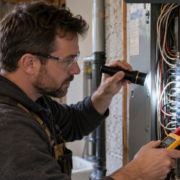
An electrician uses a handheld tester at a home outlet with the panel visible in the background.

Electrical panel problems that need urgent attention

A burning odor near the panel, crackling sounds, visible scorching, or signs of overheating require prompt professional attention. Don’t approach suspect equipment to feel whether it’s hot, remove its cover, or tighten anything.

If you see smoke, fire, or active sparking, leave the area and call 911. Don’t attempt to operate the panel in those conditions.

For an unexplained burning smell or unusual panel noise without an active fire, keep away from the equipment and call for urgent electrical assistance. Describe exactly what you notice so the person taking the call understands the concern.

The Electrical Safety Foundation International identifies frequent breaker trips, unusual buzzing, overheating, and flickering lights as warning signs in its home wiring safety guidance. These symptoms warrant an inspection, even when the lights still work.

Visible damage changes the conversation

Scorch marks or deterioration around electrical equipment deserve investigation. So does water exposure. Don’t assume a panel is safe because it dried out or continued supplying power after a leak.

An electrician needs to determine what caused the damage and which components it affected. Replacing a damaged part without addressing moisture entry or another underlying cause leaves the original problem unresolved.

Visible rust alone doesn’t tell a homeowner how far damage extends. Avoid scraping corrosion or opening the enclosure for a closer look. Report what you can see from a safe position and mention any known leak or flooding.

Replacement becomes a stronger consideration when damage affects the panel’s internal distribution components or compromises the equipment’s safe operation. The inspection establishes that scope.

When a circuit repair may be enough

Some electrical problems stay within a particular circuit. A damaged receptacle, faulty switch, or loose connection may require a localized repair rather than panel replacement.

Consider a kitchen outlet that loses power while the rest of the house works normally. The electrician might find a tripped protective device or a problem at a connection. The symptom alone doesn’t justify replacing the main panel.

The same distinction applies to an appliance that repeatedly triggers a trip. Its internal fault could cause the interruption even if the circuit and panel are otherwise suitable.

Our electrical repair and panel upgrade services cover both types of work. The recommendation should follow the fault’s location and cause, rather than the assumption that every interruption starts at the panel.

When panel replacement becomes the practical choice

Panel replacement may make sense when an electrician confirms significant equipment damage, deteriorated internal components, or a condition that prevents a safe, appropriate repair.

The availability of suitable replacement parts also matters. Electrical components need to match the equipment’s listing and manufacturer requirements. A part that appears to fit doesn’t automatically belong in that panel.

Ask what the electrician found and how it affects the proposed work. A clear recommendation should explain whether the problem involves one replaceable component or the panel assembly.

Replacing a damaged panel and increasing a home’s service capacity are separate decisions. A condition problem can justify replacement even when your household’s electrical demand hasn’t changed. Increasing the amp rating requires its own evaluation of the service and connected equipment.

What to tell the electrician before the visit

A short account of the problem is more useful than trying to diagnose it yourself. Include:

  • Where you first noticed the issue and which rooms or devices it affects.
  • Whether a breaker trips, and how often it has happened.
  • Any unusual odor, sound, discoloration, or known water exposure.
  • Recent electrical work or changes in appliance use.

Share existing photos if you took them safely. Don’t approach damaged equipment or open a panel to obtain more.

Keep the panel area accessible without touching suspect equipment. If the problem stops before the appointment, still describe what happened. Intermittent faults can disappear temporarily without resolving.

Arrange an assessment before choosing the upgrade

At BG Electric, we explain the issue and recommended scope before approved work begins. If you’ve noticed recurring interruptions or suspect panel damage, request electrical service with your property address and a description of the symptoms.

For an urgent concern, call (510) 367-7234 to discuss the situation and confirm availability. Use emergency services for smoke, fire, or active sparking.

You don’t need to decide whether to replace the panel before calling. Start with the symptom, stop repeatedly resetting a tripping breaker, and let an electrician establish whether the repair belongs at an appliance, along a circuit, or inside the panel.
Can a 100-Amp Panel Support a Level 2 EV Charger?

A 100-amp panel can support a Level 2 EV charger in some homes, but its rating alone can’t tell you whether your home is a good fit. The decision depends on the charger’s electrical requirements, the home’s existing loads, and the condition and capacity of the electrical equipment. At BG Electric, we assess panels and plan EV charger installations for homes in Berkeley and across the San Francisco Bay Area.

What determines whether a 100-amp panel can support a Level 2 EV charger?

A Level 2 charger uses a 208- or 240-volt circuit. Its amperage matters, but so does the electrical equipment already running in the home. A house with gas appliances and modest electrical use may have a different capacity picture from one with electric heating, a range, a clothes dryer, a water heater, and central air conditioning.

An electrician evaluates the panel, service equipment, existing loads, and proposed charger. A load calculation helps determine whether the system can accommodate charging along with the home’s other electrical needs. The U.S. Environmental Protection Agency recommends asking an electrician to assess panel capacity before installing home EV charging equipment. See the EPA’s guide to getting started with home EV charging for an overview.

The charger’s maximum output also matters. Some chargers support multiple settings, so an electrician may consider whether a lower charging rate suits the home. That choice affects charging speed and still needs to meet the charger manufacturer’s requirements and applicable electrical rules.

Why the panel’s amp rating doesn’t tell the whole story

A 100-amp rating describes a limit of the electrical service. It doesn’t show how much capacity remains for a new load. The same panel rating can serve homes with very different equipment and electrical demands.

Available breaker spaces and available electrical capacity are separate questions. A panel can have open spaces while the home has little capacity left for a charger. A full panel may have enough overall service capacity but need a different approach to fit the required circuit.

The number of breakers isn’t a reliable way to estimate the home’s electrical load. Breaker ratings don’t simply add up to the panel rating, and a visual check can’t show how much demand the home places on the system. An electrician’s assessment looks at the equipment and planned use together.

What household equipment can affect the decision?

Large electrical loads already in the home can affect whether a Level 2 charger fits within the available capacity. An electrician may consider equipment such as:

  • Electric heating or central air conditioning
  • An electric range or oven
  • An electric clothes dryer
  • An electric water heater
  • A hot tub, pool equipment, or workshop machinery
  • Other planned additions, such as a heat pump

The home’s combination of equipment matters more than any single item on that list. Two houses with 100-amp service may have different results because they use different appliances or have different plans for future upgrades.

If you’re considering several changes, mention them at the start. Adding an EV charger and a heat pump, for example, may call for a broader electrical plan than installing the charger on its own. An electrician can assess the combined demand and discuss the options for the property.

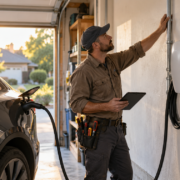
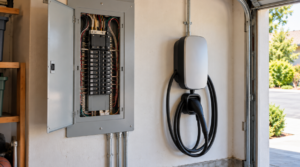
100-amp panel Level 2 EV charger beside electrical panel in garage

Does a Level 2 charger always require a panel upgrade?

No. Some homes with 100-amp service can support a Level 2 charger after an electrician confirms the equipment and available capacity. Other homes may need a different charging setup or electrical work before installation.

Depending on the assessment, options might include choosing a charger setting that fits the home’s capacity, using a compatible load-management system, or upgrading the panel or service. The appropriate option depends on the specific equipment, the home’s electrical demand, and applicable requirements. Don’t assume that a lower setting or load-management device is suitable without an electrician confirming it.

A panel upgrade may make sense if the existing panel is damaged, outdated, or unable to support the home’s current and planned electrical needs. That’s different from simply needing additional breaker spaces. Our electrical panel upgrade service covers panel work for homes and businesses in our service area.

What should an electrician check before installation?

The evaluation should account for more than the number on the panel. An electrician may check:

  • The panel’s rating, condition, and available breaker spaces
  • The service equipment connected to the panel
  • Existing electrical loads and planned additions
  • The charger’s electrical requirements and maximum output
  • The proposed circuit and wiring route
  • The charger’s location and distance from the panel

The route from the panel to the charger can affect the installation plan. The electrician needs to know where you want to park and charge, and how the circuit can reach that spot. A charger location that works for one garage may not be practical in another.

Don’t remove the panel cover or inspect the wiring yourself. If you see damage, notice unusual warmth or buzzing, or have breakers that trip repeatedly, arrange an electrical inspection before adding equipment.

What information should you have ready?

You don’t need to know the answer before requesting an assessment. A few details can help the electrician understand the project:

  • The panel’s visible amp rating, if you can read it without opening the cover
  • The EV charger’s make and model, if you’ve chosen one
  • The charger’s maximum output
  • The general location where you want to install the charger
  • Major electric appliances in the home
  • Planned changes, such as a heat pump or electric range

If you haven’t selected a charger yet, say so. The electrician can explain what information to compare when you’re looking at models, including their electrical requirements and the charging speed you need.

BG Electric installs EV chargers based on the vehicle, panel capacity, and preferred charger location. If you’re considering a home EV charger installation, share your property address and any charger details when you request service. We serve Berkeley and communities across the Bay Area, with coverage confirmed by address on our service-area page.

A 100-amp panel may support a Level 2 EV charger, but the answer depends on the home’s electrical loads and equipment. A load calculation and an assessment of the panel and proposed charger can show whether the installation fits, needs a different setup, or calls for an upgrade.

Do I Need a 200-Amp Main Panel Upgrade?

A 200-amp panel upgrade isn’t necessary for every home. Whether you need one depends on your home’s electrical load, the condition and capacity of your existing equipment, and what you plan to add. At BG Electric, we assess electrical panels for homes and businesses in Berkeley and across the San Francisco Bay Area. A load calculation and inspection can show whether your current panel has enough capacity or an upgrade makes sense.

When does a 200-amp panel upgrade make sense?

A 200-amp service may be worth considering if your existing system can’t safely support your home’s current or planned electrical demand. Common reasons to have an electrician assess your panel include:

  • You’re adding major equipment, such as an EV charger, heat pump, electric range, or other high-demand appliance.
  • Your panel is damaged, outdated, or undersized for the home’s needs.
  • You’re planning a renovation or converting appliances from gas to electric.
  • An electrician’s load calculation shows that the planned additions exceed your available capacity.

These are reasons to schedule an assessment, not proof that you need a 200-amp panel. For example, an EV charger can add a substantial load, but the right recommendation depends on the charger, the rest of the home’s electrical use, and the existing equipment.

The Department of Energy’s home electrification and electric panel factsheet explains that a panel upgrade depends on whether the home’s existing and planned loads fit within its capacity. It also distinguishes available breaker spaces from the panel’s electrical capacity.

What does 200 amps tell you?

Amps measure electrical current. A panel’s rating gives one important limit on the amount of current the home’s electrical system can handle. But that rating alone doesn’t reveal how much capacity remains for new equipment.

A home’s demand depends on the appliances and systems it uses, their electrical requirements, and how those loads interact. An electrician uses a load calculation to evaluate that demand. The calculation considers the home’s existing electrical equipment and the proposed additions.

The number of breakers isn’t a reliable shortcut. Breaker ratings don’t simply add up to the panel’s capacity, because the home doesn’t run every appliance at full load at the same time. A panel with open breaker spaces can still have limited electrical capacity. A full panel may need a different solution if the electrical load allows it.

Do older homes need a 200-amp panel?

Age alone doesn’t determine whether a home needs a service upgrade. An older house may have a panel that still meets its electrical needs. Another home may need changes because of its condition, limited capacity, new appliances, or renovations.

Older Berkeley homes can also have electrical systems that changed over time. A panel assessment can look at the equipment, the wiring connections, and the home’s planned use. If the panel has visible damage, feels unusually warm, makes buzzing sounds, or has breakers that trip repeatedly, arrange an inspection. These symptoms can have different causes, so don’t assume a panel upgrade is the only answer.

If you’re concerned about aging wiring as well as panel capacity, BG Electric also handles knob-and-tube replacement and other electrical services. The right scope depends on what an electrician finds at the property.

What does an electrician check before recommending an upgrade?

An electrician should consider more than the number stamped on the panel. The assessment may include:

  • The panel’s rating, condition, and available breaker spaces.
  • The home’s existing electrical loads and the equipment you plan to add.
  • The main breaker and the service equipment connected to the panel.
  • Signs of overheating, damage, corrosion, or unsafe connections.
  • Whether the project involves a panel replacement, a service change, or other electrical work.

The inspection helps distinguish a panel that needs replacement from a home that needs more electrical capacity. Those aren’t always the same project. If the panel is damaged, replacing it may address its condition. If the home needs more capacity for new equipment, an electrician must also determine what the service can support.

Tell the electrician what you’re planning. If you’re considering an EV charger or replacing gas appliances with electric models, share the equipment details when you can. The proposed equipment and its electrical requirements can affect the recommendation.

Could you avoid a full 200-amp service upgrade?

Possibly. The assessment may show that your existing service has enough capacity for the planned work. Depending on the equipment and the home, an electrician may discuss other ways to meet the project’s needs. That could include a different installation plan or managing when certain loads operate.

Those options depend on the home’s equipment and applicable requirements. A load calculation should guide the decision. Don’t rely on adding up breaker labels or assuming every house needs the same service size.

If a full upgrade is the right fit, the project scope may also involve permitting, utility coordination, and an inspection. Requirements can vary by project and location. For Berkeley properties, the City’s Permit Service Center handles electrical permits and other construction permits.

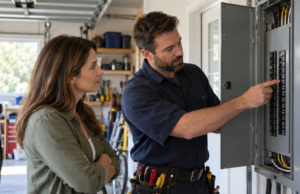
An electrician points out breakers to a homeowner beside an open electrical panel.

What should you do if you’re unsure?

Start by noting the panel’s visible rating, any issues you’ve noticed, and the electrical equipment you expect to add. Don’t remove the panel cover or attempt to inspect wiring yourself. An electrician can assess the equipment and explain whether your home needs a repair, a panel replacement, or additional service capacity.

BG Electric handles electrical panel upgrades for homes and businesses in Berkeley and the San Francisco Bay Area. If you’re planning an EV charger, renovation, or appliance change, contact our team with your property address and project details. We can review the request and discuss the appropriate next step.

Before a Whole-Home Rewire: How to Prepare Your Home and Schedule

To prepare for a whole-home rewire, agree on the work area, schedule, access needs, expected power interruptions, and who will handle any wall repairs before work begins. A clear plan helps you organize your household and gives your electrician a better chance of staying on schedule.

At BG Electric, we work on whole-home rewiring when existing wiring is aging or inadequate for a home’s needs. Before the project starts, talk through how the work will affect your rooms and routines. The details depend on the property and agreed scope, so ask your electrician to walk you through the plan for your home.

Start with a clear scope of work

Before setting a start date, make sure you understand which parts of the electrical system the project includes. A whole-home rewire may involve more than replacing wire. The plan might also address outlets, switches, lighting connections, circuits, or other electrical needs identified during an assessment.

Ask your electrician to explain what they recommend and why. It’s reasonable to clarify:

  • Which areas of the home are included
  • Whether outlets, switches, or lighting will be replaced or relocated
  • What work is excluded from the estimate
  • Whether the project includes electrical permits and inspections
  • What decisions you need to make before installation starts

Written details make it easier to compare the agreed scope against what happens on site. They also give you a place to check when a question comes up during the project.

If you’re still deciding whether a rewire is the right service, review our whole-home rewiring and electrical services. We handle electrical repairs, installations, replacements, and upgrades for homes and businesses.

Ask how the work will affect your routine

A rewire can affect access to multiple parts of the home. Ask which rooms the crew expects to enter, whether they need access to closets, attic or crawl spaces, and whether furniture or stored items could block the work area.

Also ask about power. Will the electrician need to switch off power to individual circuits, or should you plan for a larger interruption? Which parts of the home might be affected, and when? The answer depends on the project, so get a home-specific explanation instead of relying on a general timeline.

If you work from home, have young children, or need powered equipment, bring that up while scheduling. Your electrician may be able to explain when certain areas or circuits are expected to be unavailable. Don’t assume a room will remain usable just because work is happening elsewhere.

If the home will be vacant during part of the project, discuss how the electrician will get in and who to contact if a decision is needed. Confirm the expected work hours and how the crew will secure the property at the end of each day.

An electrician lays floor protection while a homeowner clears belongings from a room

Prepare rooms and access points

Once you know where the crew will work, clear a path to those areas. Move small furniture, rugs, breakable items, and stored belongings away from outlets, switches, electrical equipment, and access points. If anything is too heavy to move, ask whether the electrician needs it relocated before work begins.

Keep hallways and stairs clear so people can move safely through the home. If the crew needs to reach a panel, attic hatch, crawl-space entrance, or garage wall, make sure those spots are accessible before the scheduled start.

Pets and children also need a plan. Choose a place where they can stay away from the work area, and tell the crew about any access or safety considerations around your home.

Don’t open walls, move electrical equipment, or attempt electrical work as part of your preparation. Ask the electrician what they need you to do and leave electrical tasks to a qualified professional.

Discuss wall access and finish repairs

Before work begins, ask how the electrician expects to access wiring in your home. The method depends on the building and existing conditions. Some areas may require access through walls or ceilings, while other wiring routes may be reachable through existing spaces. Ask which rooms or surfaces could be affected and what the team knows so far.

Clarify who will handle any repair or repainting after electrical work. Wall restoration may be outside the electrical scope, so confirm the agreement instead of assuming it is included. If you plan to coordinate a separate contractor for repairs, ask when the electrical work in each area will be complete and whether the electrician needs to inspect anything before it gets closed up.

For an older home, tell your electrician about any known renovations or changes to the wiring. Share available records, prior inspection notes, or details about areas that have had electrical work. That information can help the team understand the home’s history before opening access points.

Set a realistic schedule

Ask your electrician for the expected work sequence, the anticipated start and finish dates, and what could change the schedule. Avoid planning other work that depends on the rewire being complete until you understand how the timing may shift.

Other renovation work can affect access and sequencing. If a general contractor, painter, or other tradesperson is involved, share their contact information with your electrician and agree on how the schedules will be coordinated. Make sure everyone understands who is responsible for decisions that affect the electrical scope.

Leave time for permitting and inspection where required. The City of Berkeley says that most construction work and repairs require permits unless specifically exempted, including work to install, alter, repair, or replace electrical systems. Requirements vary by project and jurisdiction, so confirm the applicable process for your property. Berkeley’s permit information explains which work is exempt and where to get local guidance.

Make a plan for everyday essentials

Before the start date, think through the items and routines your household depends on. If a refrigerator, medical device, internet connection, or other equipment needs steady power, tell your electrician in advance and ask how the schedule may affect it. Don’t rely on extension cords or temporary workarounds without discussing them with the electrician first.

Consider where you’ll charge phones, prepare meals, or work if certain areas are temporarily unavailable. You may not need to leave the home, but ask what the electrician expects for your specific project. If staying elsewhere would be easier, make that decision after you’ve discussed the anticipated work and power interruptions.

Keep the electrician’s contact details handy. Decide who in your household can answer questions or approve a change if you’re not home. Resolving small decisions promptly can prevent avoidable delays.

What to confirm before the crew arrives

A brief check-in before the scheduled start can resolve last-minute questions. Confirm the start time, the areas that need to be cleared, how the crew will access the home, and who to contact if the schedule changes.

It’s also useful to review the agreed scope and ask whether any decisions are still outstanding. For example, you may need to confirm the location of an outlet or switch before work reaches that room. Settling those choices ahead of time helps the electrician proceed without waiting for an answer.

If the project requires a permit or inspection, confirm who is handling those steps and what needs to happen before the work is considered complete. The exact process depends on the location and scope. For Berkeley projects, the city’s Permit Service Center handles building and electrical permits and can answer questions about local requirements.

Planning a rewire in Berkeley or the Bay Area?

BG Electric serves Berkeley and communities across the San Francisco Bay Area, with coverage confirmed based on the property address. Our service-area page lists nearby communities and explains how to check whether an address is within our current coverage.

To prepare for a whole-home rewire, focus on clear communication: understand the scope, make access possible, plan around power interruptions, and confirm who handles permits and finish repairs. If you’re considering rewiring, request service from BG Electric with your address and a short description of the home’s electrical needs. We’ll review the request and discuss the next step.