Can a 100-Amp Panel Support a Level 2 EV Charger?
A 100-amp panel can support a Level 2 EV charger in some homes, but its rating alone can’t tell you whether your home is a good fit. The decision depends on the charger’s electrical requirements, the home’s existing loads, and the condition and capacity of the electrical equipment. At BG Electric, we assess panels and plan EV charger installations for homes in Berkeley and across the San Francisco Bay Area.
What determines whether a 100-amp panel can support a Level 2 EV charger?
A Level 2 charger uses a 208- or 240-volt circuit. Its amperage matters, but so does the electrical equipment already running in the home. A house with gas appliances and modest electrical use may have a different capacity picture from one with electric heating, a range, a clothes dryer, a water heater, and central air conditioning.
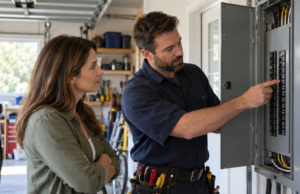
An electrician evaluates the panel, service equipment, existing loads, and proposed charger. A load calculation helps determine whether the system can accommodate charging along with the home’s other electrical needs. The U.S. Environmental Protection Agency recommends asking an electrician to assess panel capacity before installing home EV charging equipment. See the EPA’s guide to getting started with home EV charging for an overview.
The charger’s maximum output also matters. Some chargers support multiple settings, so an electrician may consider whether a lower charging rate suits the home. That choice affects charging speed and still needs to meet the charger manufacturer’s requirements and applicable electrical rules.
Why the panel’s amp rating doesn’t tell the whole story
A 100-amp rating describes a limit of the electrical service. It doesn’t show how much capacity remains for a new load. The same panel rating can serve homes with very different equipment and electrical demands.
Available breaker spaces and available electrical capacity are separate questions. A panel can have open spaces while the home has little capacity left for a charger. A full panel may have enough overall service capacity but need a different approach to fit the required circuit.
The number of breakers isn’t a reliable way to estimate the home’s electrical load. Breaker ratings don’t simply add up to the panel rating, and a visual check can’t show how much demand the home places on the system. An electrician’s assessment looks at the equipment and planned use together.
What household equipment can affect the decision?
Large electrical loads already in the home can affect whether a Level 2 charger fits within the available capacity. An electrician may consider equipment such as:
- Electric heating or central air conditioning
- An electric range or oven
- An electric clothes dryer
- An electric water heater
- A hot tub, pool equipment, or workshop machinery
- Other planned additions, such as a heat pump
The home’s combination of equipment matters more than any single item on that list. Two houses with 100-amp service may have different results because they use different appliances or have different plans for future upgrades.
If you’re considering several changes, mention them at the start. Adding an EV charger and a heat pump, for example, may call for a broader electrical plan than installing the charger on its own. An electrician can assess the combined demand and discuss the options for the property.
Does a Level 2 charger always require a panel upgrade?
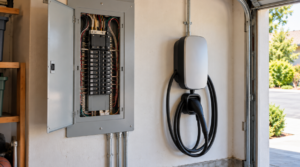
No. Some homes with 100-amp service can support a Level 2 charger after an electrician confirms the equipment and available capacity. Other homes may need a different charging setup or electrical work before installation.
Depending on the assessment, options might include choosing a charger setting that fits the home’s capacity, using a compatible load-management system, or upgrading the panel or service. The appropriate option depends on the specific equipment, the home’s electrical demand, and applicable requirements. Don’t assume that a lower setting or load-management device is suitable without an electrician confirming it.
A panel upgrade may make sense if the existing panel is damaged, outdated, or unable to support the home’s current and planned electrical needs. That’s different from simply needing additional breaker spaces. Our electrical panel upgrade service covers panel work for homes and businesses in our service area.
What should an electrician check before installation?
The evaluation should account for more than the number on the panel. An electrician may check:
- The panel’s rating, condition, and available breaker spaces
- The service equipment connected to the panel
- Existing electrical loads and planned additions
- The charger’s electrical requirements and maximum output
- The proposed circuit and wiring route
- The charger’s location and distance from the panel
The route from the panel to the charger can affect the installation plan. The electrician needs to know where you want to park and charge, and how the circuit can reach that spot. A charger location that works for one garage may not be practical in another.
Don’t remove the panel cover or inspect the wiring yourself. If you see damage, notice unusual warmth or buzzing, or have breakers that trip repeatedly, arrange an electrical inspection before adding equipment.
What information should you have ready?
You don’t need to know the answer before requesting an assessment. A few details can help the electrician understand the project:
- The panel’s visible amp rating, if you can read it without opening the cover
- The EV charger’s make and model, if you’ve chosen one
- The charger’s maximum output
- The general location where you want to install the charger
- Major electric appliances in the home
- Planned changes, such as a heat pump or electric range
If you haven’t selected a charger yet, say so. The electrician can explain what information to compare when you’re looking at models, including their electrical requirements and the charging speed you need.
BG Electric installs EV chargers based on the vehicle, panel capacity, and preferred charger location. If you’re considering a home EV charger installation, share your property address and any charger details when you request service. We serve Berkeley and communities across the Bay Area, with coverage confirmed by address on our service-area page.
A 100-amp panel may support a Level 2 EV charger, but the answer depends on the home’s electrical loads and equipment. A load calculation and an assessment of the panel and proposed charger can show whether the installation fits, needs a different setup, or calls for an upgrade.